What To Consider When Choosing Carpet For High-traffic Areas In Your Ballina Home
Replacing
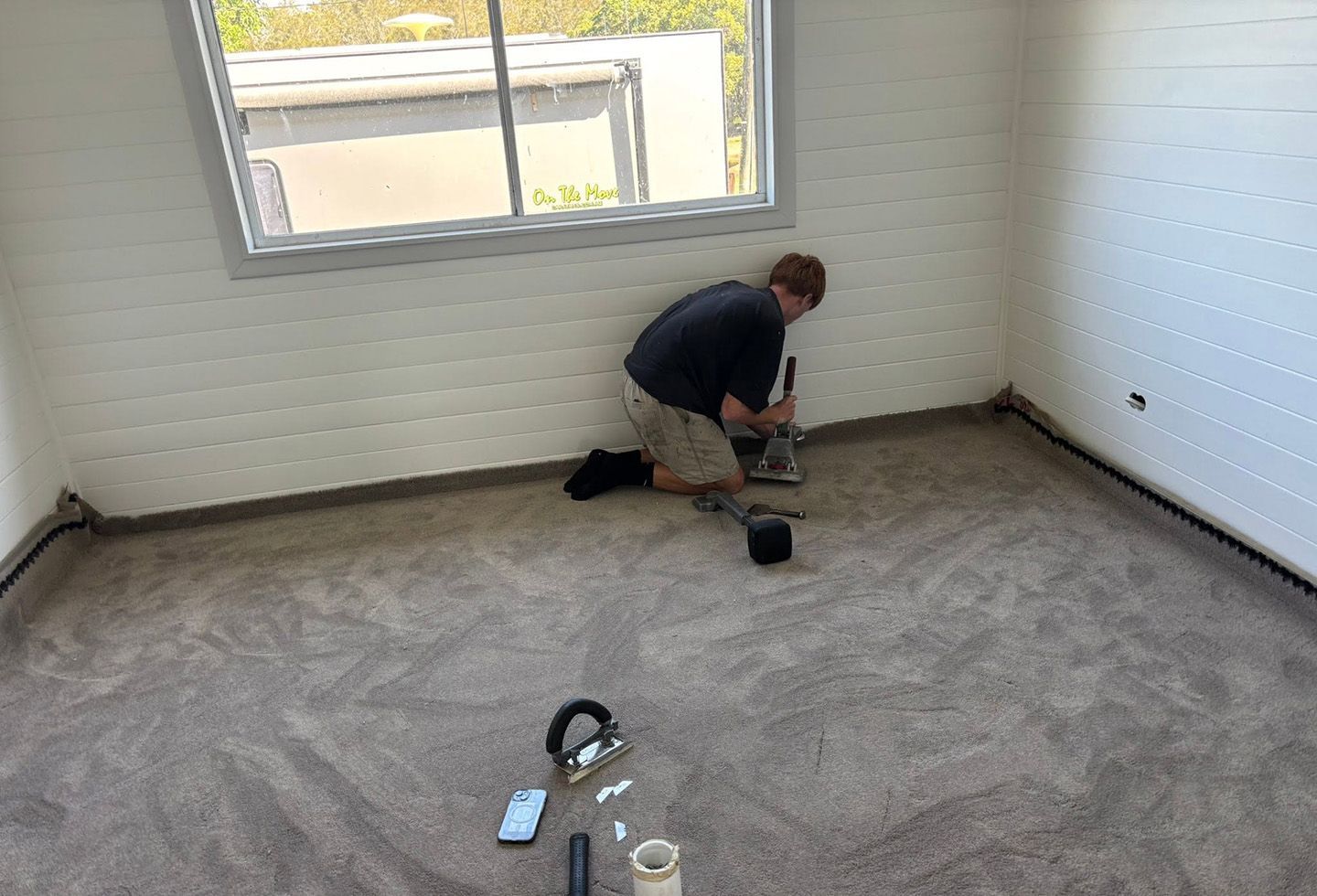
carpet in the busiest parts of your home is one of those purchases where getting it wrong is expensive and unfortunately, it's a mistake a lot of homeowners make more than once. The carpet that looked great in the showroom starts to flatten, stain or wear unevenly within a couple of years, and the process begins again. For anyone looking at
carpet in Ballina, the local environment adds another layer to the decision. Families dealing with sandy feet from the beach, active kids, pets and the humidity of the Northern Rivers will feel the effects of the wrong carpet choice faster than most. This guide covers what actually matters when foot traffic is the primary concern, so you can make a decision that holds up.
Why High-Traffic Areas Need a Different Approach
Not all carpet is designed to handle the same conditions. A plush, soft carpet that performs beautifully in a master bedroom will deteriorate quickly in a hallway or on a staircase where it's compressed repeatedly in the same spots. High-traffic areas need carpet that can withstand constant foot pressure, recover its shape between uses and resist the kind of soiling that builds up in busy family spaces over time.
The key factors that determine how a carpet performs under pressure are fibre type, pile construction, twist count and the quality of the underlay beneath it. Understanding each of these before you buy is the difference between carpet that looks good for a decade and carpet that's showing its age within two or three years.
Fibre Type and Why It Matters
The fibre your carpet is made from has more influence on its long-term performance than almost any other factor. The three most relevant options for high-traffic areas are polyester, nylon and triexta.
Polyester is soft underfoot and offers good stain resistance, which makes it appealing for family homes. The drawback is that polyester fibres don't spring back as readily after compression, meaning high-traffic zones like hallways and living areas can start to show flattening relatively quickly. It performs better in areas with moderate rather than heavy use.
Nylon has long been the benchmark for durability in residential and commercial carpet. It's highly resilient under repeated foot traffic, holds its shape well over time and responds well to cleaning. For anyone investing in carpet in Ballina where conditions are demanding, nylon is worth the additional investment.
Triexta is a newer fibre that combines the softness of polyester with improved resilience, and it comes with strong built-in stain resistance. Brands like Mohawk's SmartStrand use triexta and have built a strong reputation for durability in family homes. For households with kids and pets, triexta is worth serious consideration.
Pile Construction — Loop vs Cut Pile
Beyond the fibre itself, the way the carpet is constructed has a significant impact on how it handles traffic. The two main categories are loop pile and cut pile.
Loop pile carpet, where the yarn forms continuous loops rather than being cut at the top, is inherently more durable and resistant to crushing. Berber is the most common loop pile style and is a practical choice for hallways, stairs and family rooms. The loops distribute foot pressure across a wider surface area, which helps the carpet maintain its appearance over time. One consideration for households with pets is that looped fibres can catch on claws, so it's worth discussing this with your flooring specialist.
Cut pile carpet is softer and more comfortable underfoot, making it popular in living areas and bedrooms. Within cut pile, the key variable is twist count, which is the number of times the yarn is twisted per inch. A higher twist count means the fibres hold their shape better under pressure and resist matting. For high-traffic cut pile carpet, look for a twist count of at least four to five twists per inch, and check that the ends are heat-set to lock the twist in place permanently.
Pile Density — Why It Matters More Than Pile Height
A common misconception is that a thicker, higher pile means a more durable carpet. In high-traffic areas, pile density, which is how tightly the fibres are packed together, matters far more than pile height. A dense, lower-pile carpet will outperform a tall, loosely constructed pile every time when foot traffic is the primary concern.
You can get a rough sense of density by bending a carpet sample and checking how much of the backing is visible. The less backing you can see, the denser the construction. Dense carpet resists matting, retains its appearance longer and is generally easier to keep clean, all of which matter when choosing carpet in Ballina homes that see year-round activity.
Stain Resistance in a Coastal Family Home
Sandy feet, wet bathers, pet accidents and the general chaos of family life mean stain resistance is a practical requirement rather than a luxury. Many modern carpets are treated with stain-resistant finishes at the manufacturing stage, and some fibres, particularly triexta, offer inherent stain resistance built into the fibre itself rather than applied as a topical coating.
The distinction matters because topical treatments wear off over time, especially in high-traffic areas that are cleaned frequently. Inherent stain resistance doesn't diminish with cleaning or foot traffic, making it a more reliable long-term solution for busy households.
Northern Rivers humidity is also worth factoring in. Carpets in this region are exposed to higher ambient moisture levels than in drier climates, which can affect both the carpet and the underlay beneath it if the products aren't suited to the conditions. Discussing this with your flooring supplier before you buy is a step worth taking.
Don't Overlook the Underlay
Underlay is the part of the carpet installation that most homeowners think about last, if at all. This is a mistake, particularly in high-traffic areas. Quality underlay acts as a shock absorber, reducing the compression stress that breaks down carpet fibres over time. It also adds warmth, reduces noise and makes the carpet feel better underfoot.
For high-traffic zones, a denser, firmer underlay is the right choice. Soft, thick underlay might feel luxurious initially but provides less support under heavy foot traffic, which accelerates wear. A good rule of thumb is that the underlay should complement the carpet rather than compensate for it. A quality
carpet on quality underlay will always outperform a lesser carpet on premium underlay.
Making the Right Choice for Your Home
Choosing carpet in Ballina for the high-traffic areas of your home comes down to matching the right fibre, construction and underlay to the specific demands of each space. A hallway with heavy daily use has different requirements to a living area that sees weekend family gatherings, and a staircase is in a category of its own when it comes to wear patterns.
We at
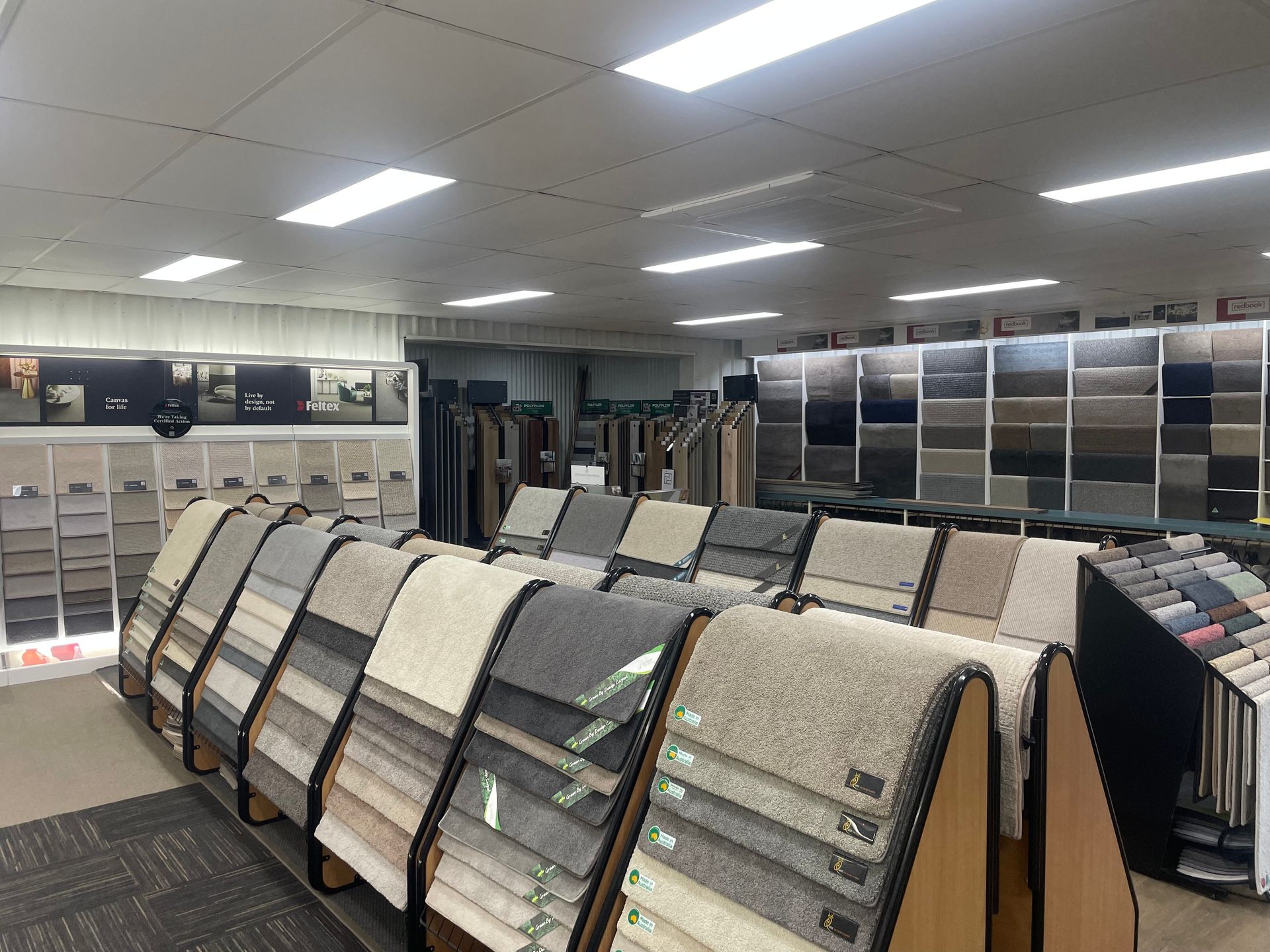
Gava Floor Centre offer a free measure and quote service across Ballina and the surrounding Northern Rivers region. Our team can walk you through the right options for your home's specific traffic patterns, lifestyle and budget so you're not making a guess at what will hold up.
Get in touch today to book your free measure and quote.